Finding student accommodation before you fly
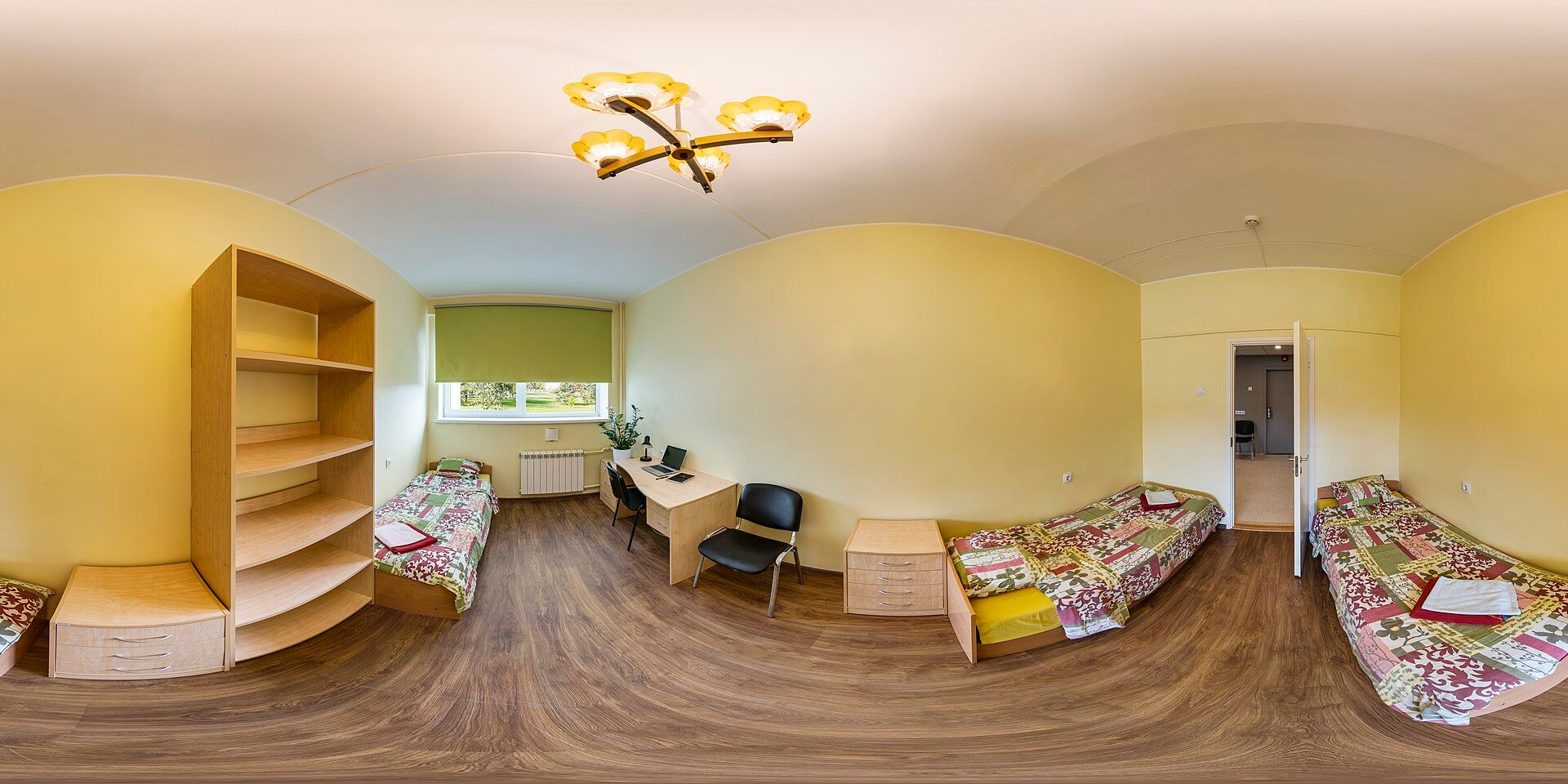
Halls, private housing or homestay: what each costs, when to apply, and the deposit traps to avoid from abroad.
Housing is the part of the move students most often leave until last, and the part where money is most easily lost. You are committing to a contract, usually sight unseen, in a market you do not know, from a country where you cannot walk away from a bad situation.
Handled in the right order, it is manageable.
The three options
| Typical cost | Bills included | Best for | |
|---|---|---|---|
| University halls | Highest | Usually yes | First year, arriving alone |
| Private rented | Middle | Usually no | Second year onward, with friends |
| Homestay | Varies | Yes, often with meals | Younger students, language immersion |
Halls are the safest first-year choice, and not mainly for the room. They put you among other first-years, the contract runs to the academic year rather than twelve months, and the university is accountable if something goes wrong. Applications usually open once you firm your offer, and many institutions guarantee a place to international first-years who apply by a stated deadline. Find that deadline the day you accept your offer.
Private rented housing is cheaper per week but adds bills, a twelve-month contract, and the problems below. It suits second year, when you know the city and have people to share with.
Homestay places you with a local household, usually with some meals. It is common for younger students and for anyone who wants the language practice.
The guarantor problem
This is the one that surprises people.
Most UK private landlords ask for a guarantor — someone who agrees to cover the rent if you do not. They typically require that person to be UK-based, and most international students do not have one.
Your options:
- Pay several months up front. Common, and often what the landlord actually wants. Budget for it.
- Use a paid guarantor service. Legitimate ones exist and charge a fee. Read what they cover.
- Choose halls instead. Most university accommodation does not require a UK guarantor. This is a large part of why halls are the sensible first-year answer.
Deposits, and how people get caught
Rental fraud targets international students specifically, because you cannot view the property and you are in a hurry. The pattern is always the same: a listing well below market rate, a landlord who cannot meet you, and pressure to secure it today with a transfer.
Protect yourself:
- Never transfer money for a property nobody you trust has seen. Not a friend, not an agent you found through the same listing.
- Do not pay by untraceable methods. No cryptocurrency, no money-transfer services, no gift cards. A real landlord takes a bank transfer to a business account.
- Check the deposit will be protected. In England and Wales, deposits on assured shorthold tenancies must be placed in a government-approved protection scheme within 30 days, and you must be told which one. Scotland and Northern Ireland have equivalents. A landlord who will not name a scheme is a landlord to walk away from.
- Know the difference between a holding deposit and a security deposit. A holding deposit takes the property off the market and is capped; a security deposit is against damage and is what gets protected. Get in writing which one you are paying.
- Verify independently. Look up the agency, find a phone number yourself rather than using the one in the advert, and call it.
A workable timeline
- On firming your offer — find the halls deadline and apply. This is the single highest-value action.
- Three months out — if halls fell through, start looking privately and sort out the guarantor question.
- One month out — have something confirmed in writing, with the address, dates, cost and what is included.
- On arrival — photograph everything, including existing damage, before you unpack. Timestamped photos are what you will need at the end of the tenancy.
If nothing is confirmed and you are due to fly
Book two weeks of temporary accommodation and view properties in person once you land. It costs more for a fortnight and it is far better than signing a twelve-month contract on a room that turns out to be nothing like the photographs — or that does not exist.
A short-term booking is a bad outcome. A year in an unseen property, or money wired to a stranger, is a worse one.